

A Comprehensive Guide
Working on a roof can be dangerous if you’re not careful. Roof Safety Rail will teach you everything you need to know about staying safe while working on the roof. From proper safety gear to avoiding common hazards, we have got you covered. So, whether you’re a professional roof worker or just doing some repairs on your own home, make sure to read this guide!
Working on a roof can be dangerous if not properly managed. With a precarious height, it’s easy for workers to slip and fall resulting in serious injury. Roofers should always remember the importance of using safety harnesses and life lines when working at heights, as well as wear sturdy construction boots with slip resistant soles to prevent slipping on the slick surface of the roof.
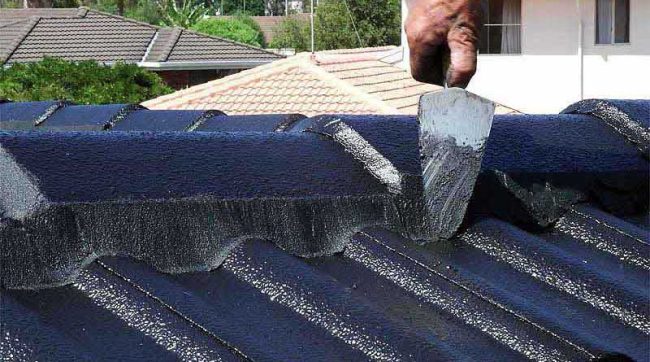
Other safety hazards associated with this type of work include working with hazardous tools, dealing with electricity and managing heavy materials. It’s also important to avoid fatigue while on a job site as this can impact decision making and increase risk of injury. By properly planning out roofing jobs, following basic safety procedures, more experienced roofers should be able to get the job done safely and efficiently.
When working on a roof, the time of day can make all the difference when it comes to safety and comfort. The midday sun may bring too much heat, potentially causing dehydration or heat exhaustion. Excessive cold in the winter months may make it difficult to work with metal tools, creating longer completion times as well as potential injury risks. Early mornings and late afternoons are usually safer bets for starting work on a roof – you’ll be exposed to fewer extreme temperatures while having optimal daylight hours in which to get the job done. Plus, you won’t have to worry about taking too many breaks due to dehydration or chilliness! It pays off in the long run to plan ahead and put yourself in a more comfortable position by starting at the right time of day.